



Oil markets have surged to multi-year highs as tensions between the US and Iran intensify, with Brent crude climbing above 120 dollars per barrel. According to Bloomberg, prices briefly spiked by more than 7 percent to over 126 dollars amid fears of prolonged disruption in the Strait of Hormuz, one of the world’s most critical oil transit routes.
For the fashion, retail and manufacturing sectors, the implications are immediate and structural.
Energy remains one of the most significant hidden inputs in fashion. From fibre production to dyeing, finishing, and global logistics, higher oil prices translate directly into increased operating costs.
Synthetic fibres, such as polyester, nylon and acrylic, are particularly exposed. Polyester alone accounts for more than 50 percent of global fibre production, according to Textile Exchange, and is derived from petrochemicals. As oil prices rise, so too does the cost of these materials, placing pressure on manufacturers already operating on tight margins.
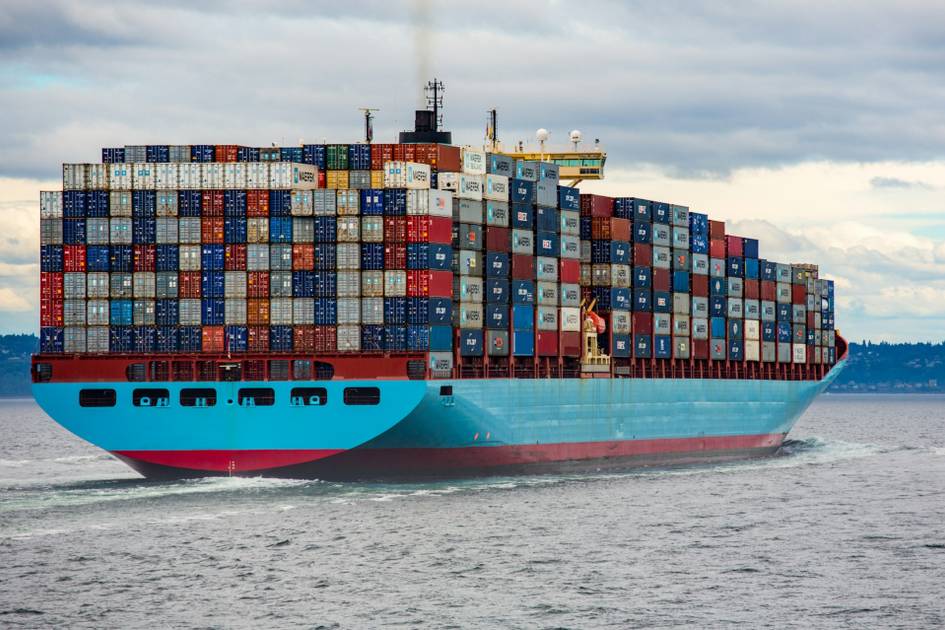
At the same time, transport costs are expected to increase sharply. Ocean freight, air cargo and last-mile delivery are all fuel-dependent. A sustained period of elevated oil prices could reverse the relative stability seen in shipping rates over the past year, particularly for long-haul routes connecting Asia and Europe or the US.
Margin pressure for brands and retailers
For brands, the challenge lies in absorbing or passing on these cost increases. After several seasons of inflation-driven price hikes, consumer appetite for further increases is limited.
Retailers, especially in the mid-market, may find themselves squeezed between rising input costs and price-sensitive customers. Luxury brands, while more insulated, are not immune. Higher production and logistics costs can erode margins or force adjustments in sourcing strategies.

The timing is particularly sensitive. The industry is already navigating slower demand in key markets and a recalibration of inventory levels following post-pandemic volatility.
Supply chain disruption risks
Beyond pricing, the geopolitical context introduces a second layer of risk: disruption.
The Strait of Hormuz handles roughly a fifth of global oil supply. Any prolonged closure or instability could impact not only energy markets but also broader shipping routes and insurance costs. Bloomberg reports that traders are already pricing in the possibility of extended disruption as diplomatic efforts stall and military escalation remains on the table.
For fashion companies reliant on just-in-time production and tightly coordinated global supply chains, even minor delays can have outsized effects on delivery schedules and seasonal collections.
Acceleration of material transition?
Paradoxically, sustained high oil prices could act as a catalyst for change.
As fossil-based inputs become more expensive, the relative attractiveness of alternative materials, recycled fibres, bio-based textiles and regenerative inputs may increase. However, scalability remains a constraint, and many alternatives are not yet cost-competitive at volume.
Still, the current environment reinforces a broader industry shift: reducing dependency on virgin petrochemical materials is no longer just an environmental imperative, but an economic one.
Strategic recalibration underway
In the short term, brands and manufacturers are likely to:
- Reassess sourcing strategies, potentially favouring regional production
- Increase focus on inventory discipline to mitigate cost volatility
- Lock in fabric and production costs where possible
Longer term, the industry may see renewed investment in supply chain resilience and material innovation.
Outlook
Bloomberg analysts suggest that further escalation remains likely, with oil markets reacting accordingly. As long as uncertainty persists around the Strait of Hormuz and US-Iran relations, price volatility is expected to continue.
For fashion, the message is clear: energy is no longer a background cost. It is a strategic variable, one that will shape pricing, sourcing and material choices in the seasons ahead.
View the original article here


