


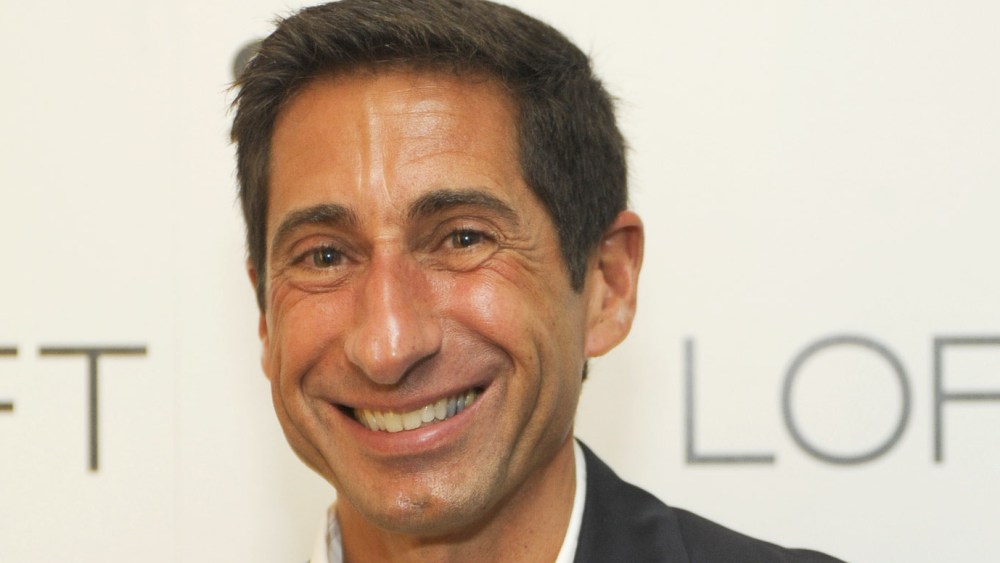

Changes are afoot at Billy Reid.
Gary Muto, an apparel industry veteran whose résumé includes Ascena, Ann Taylor, Gap and Banana Republic, has joined the company as chief executive officer, WWD has learned.
He succeeds Jeff Zens, who exited the designer menswear brand last week.
In addition, Newtimes Group, the Hong Kong-based product development and sourcing firm that also owns Robert Talbott, has made a strategic investment into the company. Terms of that deal were not disclosed and Alex Angelchik, group managing director of Newtimes, did not respond to requests for comment.
Reid said that for the past several years, Newtimes has been his brand’s production partner, but the relationship has grown of late. “They’re now a full-on strategic partner and invested in the business, which is truly exciting,” he said. “It gives us some really great opportunities in regard to product development and production.”
Muto added: “That’s the key. We now have a partner who has sourcing capabilities worldwide. There isn’t a place we can’t go because they have expertise on the ground, which in today’s world is a great strategic advantage.” He said the new partnership also allows Billy Reid to be “nimble and change on a dime” if necessary since Newtimes has “demonstrated that through the years they have that capability.”
That’s one advantage Muto hopes to mine once he settles into his new role. At Billy Reid, he inherits a brand with a strong reputation but which has experienced a lot of ups and downs over the past two-plus decades.

Billy Reid
Caitlin McNaney/WWD
The Florence, Ala.-based Reid started his first brand, William Reid, in 1998 in New York City, lining up strong accounts right out of the box including Stanley Korshak and Fred Segal. In 2010, he was named GQ/CFDA’s Best New Menswear Designer and won the CFDA/Vogue Fashion Fund Award. Two years later, he was named the CFDA’s 2012 Menswear Designer of the Year.
But the financial end of the self-funded business was still on shaky ground and when the 9/11 terrorist attacks caused business to dry up, Reid was forced to shut William Reid down and return to Alabama.
He returned in 2004 with Billy Reid, a Southern-flavored, Americana-skewed line that showcased his expertise with fabric development.
Under Zens, a one-time Levi Strauss executive who joined Billy Reid in 2019, the business focused primarily on its own 16 stores and it acquired the direct-to-consumer arm of AI-powered, made-to-measure company Knot Standard. That company had been producing Billy Reid’s made-to-measure suits and became a minority shareholder in the combined business. For many years, the brand’s primary backer has been Kemmons Wilson Companies, a Memphis-based investment firm operated by the descendants of the founders of the Holiday Inn chain.
Reid said Zens did “a wonderful job” during his tenure, especially when it came to cleaning up the “structural side” of the business and navigating the Knot Standard purchase, but he “needed a break. We also needed some new energy. And with Newtimes coming on as a strategic partner, and Gary’s relationship with them, we need to take a few more big steps.”
Muto will also serve as an adviser to Robert Talbott, but his primary focus is on Billy Reid, he said. He took a break after leaving Ascena as its CEO in 2021, serving primarily as a consultant. But he’s energized by the potential he sees at Billy Reid.
“I had many opportunities, but this was the one that interested me the most — first and foremost, because of the man who’s sitting next to me,” he said during a Zoom interview from Reid’s headquarters in Alabama. “He is the soul of this brand, and there’s an opportunity for us to leverage that and tell that in a bigger, greater way.”

A look from the Billy Reid collection.
Courtesy
He said the collection is “very considered, it’s thoughtful, there’s a lot of detail, and it really stems from Billy. Every garment has a story. So all the ingredients are there, now it’s just stepping back and saying, how do we want to go to market in a way that’s relevant for today?”
He pointed to the company’s fleet of stores, its e-commerce, the custom capabilities it obtained as a result of the Knot Standard acquisition as well as the brand’s wholesale penetration as among its strengths.
“I have a history of repositioning and growing vertically integrated brands. So I wanted something that I felt passionate about, and I felt passionate about Billy, the brand and the opportunity,” Muto said.
Reid said that while the company survived the pandemic, it had to make some tough decisions. That included eliminating 50 percent of the categories it had been producing. Since then, he said it’s been “trying to build them back slowly and build them back smartly. I feel we’re through that, so now it’s time to make this thing rock ‘n’ roll and sing.”

The Billy Reid store in Chicago.
Courtesy
He pointed in particular to the custom opportunities the brand has enjoyed since the Knot Standard acquisition in the spring of 2024 that includes the ability to make one-offs for musicians, actors and other customers. “It may not be the most commercial part of what we do, but it creates a lot of opportunity,” Reid said. Plans call for expanding those custom capabilities into knitwear and leather outerwear in addition to tailored clothing.
“Our Bond peacoat is our number-one selling piece of outerwear, but if someone wants that in a beautiful 100 percent Loro Piana cashmere, we can make that,” Reid said. Ditto for offering pieces in a range of sizes that are not generally produced off-the-rack.
Muto said he plans to lean into the fact that the Billy Reid label has an actual living, breathing founder who is “the personification of the brand. How do you leverage that to build the brand and take it to the next level?”
He said he hopes to focus on Reid’s Alabama roots to tell the brand’s story. “Great products exist at every price point, but how do we take what we do well and communicate that to the world,” Muto said.
He also plans to zero in on the construction and workmanship Reid puts into every garment. “We’ve been going through the line, detail by detail, and it’s extremely considered. I’ve been doing this a long time and I’ve never seen anything like it. The thought, the consideration, the craftsmanship — those are the things that were appealing to me, and I think there’s an opportunity for us to tell that story in a very compelling manner.”
Muto will continue to be based in New York but said he will visit the Alabama headquarters frequently. “This is home,” Reid said, adding that he and his family have had a major impact on the area over the decades. “I was in New York, but when I came here, there was a feeling of freedom. We can just be ourselves.”

Billy Reid is known for its distinct Southern-infused Americana-influenced collection.
Courtesy
Although Muto has only had the job for a few days, there are a few other things he’s certain about at this early stage. One is that Billy Reid won’t be going back into the women’s business. “I never say never, but I think for right now, let’s focus in on menswear, since that’s what we do. And there are certain categories that could become more important.”
He’s also not racing to return to New York Fashion Week. Although Muto said he would eventually like to have a presence in the city, “we could show up in different ways, maybe through the eyes of Shindig or something.”
Shindig, the designer’s festival that started in 2009 as a press junket and has grown into a consumer-facing festival in Muscle Shoals, Ala., has only been held sporadically over the past couple of years, but Reid is hoping to revive it. “It’s such an integral part of the brand,” he said.
View the original article here


