


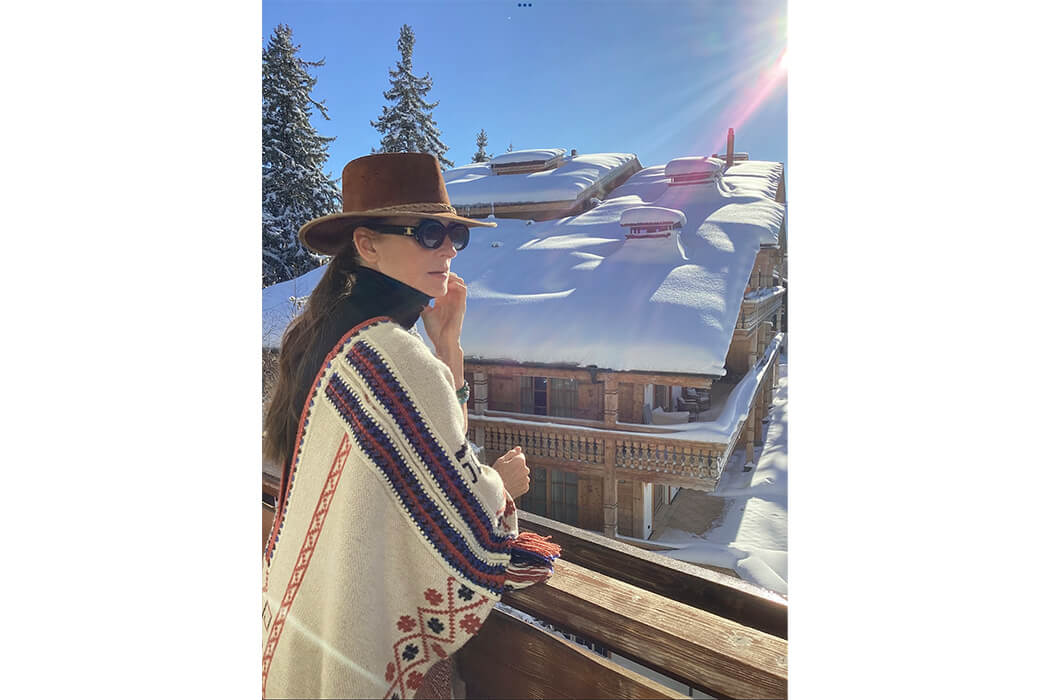

In the world of children’s luxury fashion, few brands manage to strike a balance between heritage, emotion, and modernity as seamlessly as Gabriel et Valentin. Founded by Nathalie Scemama, the Paris-based label has become known for its refined aesthetic, exceptional craftsmanship, and deeply personal storytelling.
Rooted in a vision shaped by motherhood, travel, and a lifelong appreciation for fine materials and timeless design, the brand reflects a thoughtful approach to childhood—where clothing becomes more than style, but a language of sensitivity and expression.
In this exclusive conversation, Nathalie Scemama opens up about her journey from the fashion industry to founding her own label, her definition of modern luxury, and the values that continue to guide her creative universe. From Parisian inspiration to American cinematic references, from craftsmanship to childhood development, she shares a rare and honest perspective on what it truly means to build a brand with soul.
Nathalie Scemama Founder of Gabriel et Valentin
Journey & Inspirations
Can you share the story of how you entered the fashion world? What first sparked your passion for design?
My journey into fashion began at a very early stage, when I was working as a model for houses such as Hermès and Burberry.
It was during this time that I truly understood what excellence means — the precision of cuts, the quality of materials, the craftsmanship, and the attention to detail.
I have always loved investing in beautiful pieces designed to last over time. When I created my brand, I had a clear vision: to focus on exceptional craftsmanship rooted in France and Italy.
Was there a moment that made you realize you wanted to create Gabriel et Valentin?
Becoming a mother. I created this brand out of love for children around the world and for my three sons.
When launching your brand, what gap did you see in the children’s luxury market, and how did you set out to fill it?
A lack of balance between creativity and craftsmanship.

Starting a brand is never easy—what were the biggest challenges you faced, and how did you overcome them?
Staying true to my vision.
The Aesthetic of Gabriel et Valentin
How would you describe the aesthetic and DNA of your brand?
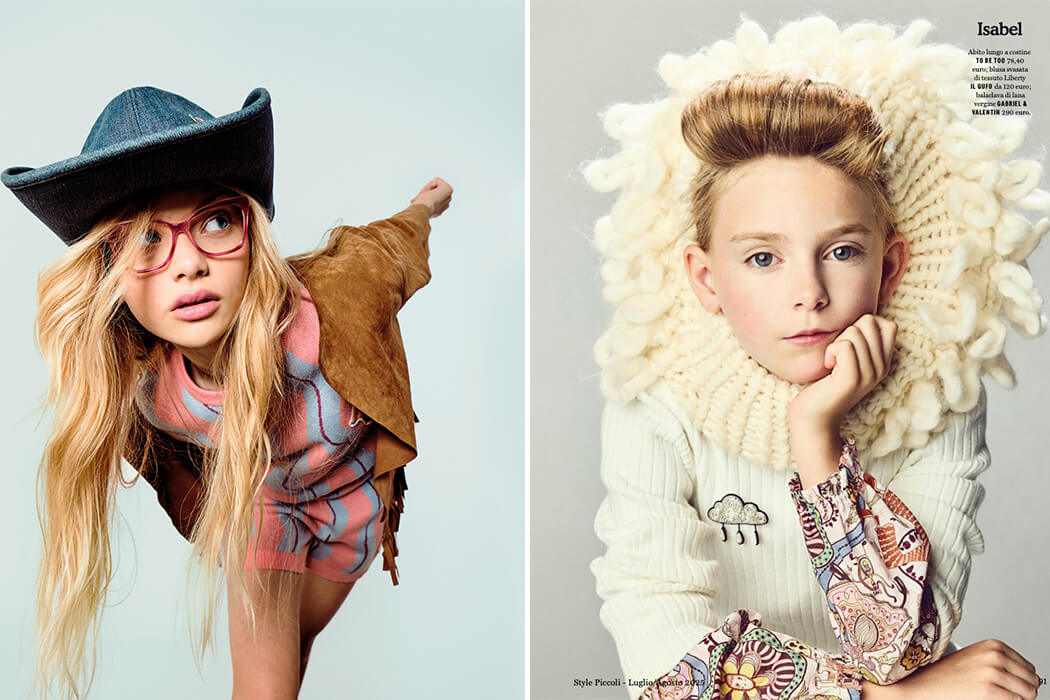
A balance between heritage, emotion, and modernity.
What emotions or values do you hope your collections convey to both children and their parents?
Sincerity, authenticity, and timeless beauty.
Your collections often draw inspiration from the Wild West and American culture—what attracts you to these influences?
The films of Clint Eastwood and the music of Ennio Morricone deeply inspired me. I also draw from Native American cultures and wanted to reconcile cowboys and Indians.
How do you balance timeless design with modern relevance, making pieces both elegant and approachable?
It is about creating pieces that carry emotion and heritage while remaining simple and wearable. The balance comes from staying true to authenticity rather than following trends.
Paris is often described as the heart of fashion. How does Paris influence your vision, and what makes it such a unique source of inspiration?
Paris is my sanctuary of happiness — a city that never ceases to inspire me. I am deeply drawn to its history, its art, and the timeless beauty of its monuments. There is something profoundly emotional about the atmosphere here; it constantly nourishes my creativity.
I have often chosen Paris as the backdrop for my photo campaigns, as a way of expressing my love for the city. From the Musée d’Art Moderne to the Palais Galliera, and more recently along the banks of the Seine and near the Louvre with an American photographer, each location tells a story and becomes part of my visual narrative.
Paris is not just a place — it is a feeling that continues to shape my vision.
Beyond Paris, do you have a favorite place in the world that fuels your creativity?
I find inspiration in places rich in culture and history, but Paris remains my true emotional anchor.
Luxury, Craftsmanship & Authenticity
How do you define luxury today, and is this definition different in children’s fashion?
Luxury is about authenticity, quality, and emotion.
How has your understanding of luxury evolved over the years?
A brand is credible when production remains in France or Italy.
In the past 15 years, children’s fashion and lifestyle products have seen incredible growth and demand. What are your thoughts on this evolution?
This growth reflects a deeper awareness among parents. There is a stronger desire to offer children meaningful, well-crafted products that carry value beyond functionality.
Imitation is common in fashion—how do you maintain authenticity and originality in your work?
By staying deeply connected to my vision and focusing on sincerity rather than external noise.
Where do you draw the line between inspiration and copying?
In intention. True inspiration transforms and reinterprets, while copying lacks soul and identity.
Craftsmanship and material selection are central to your brand. How do you approach these elements in your creative process?
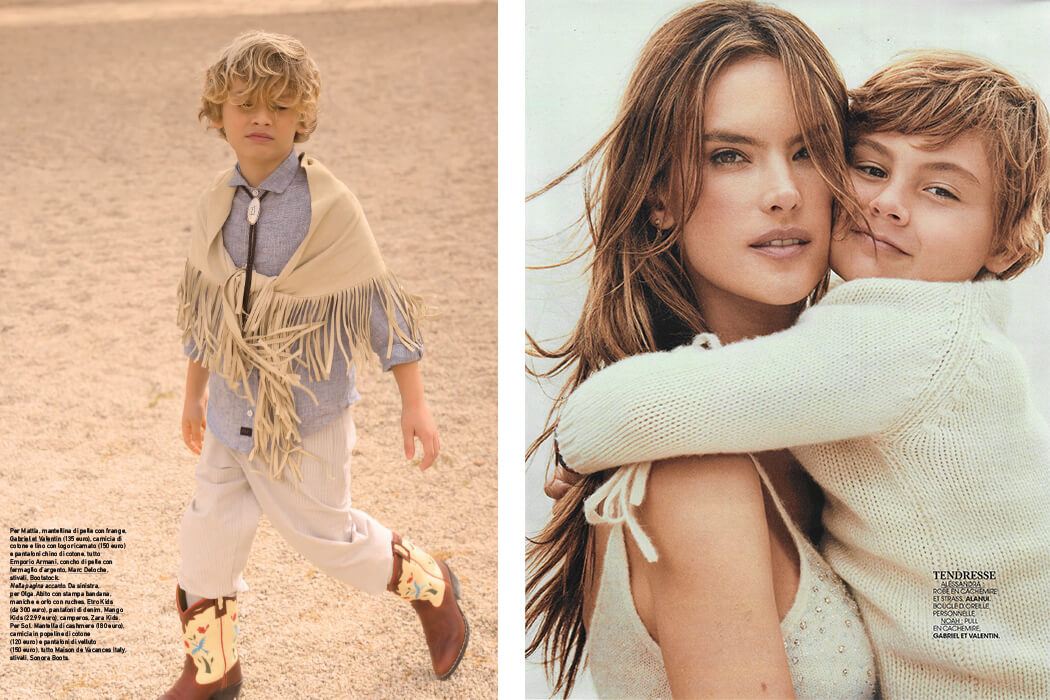
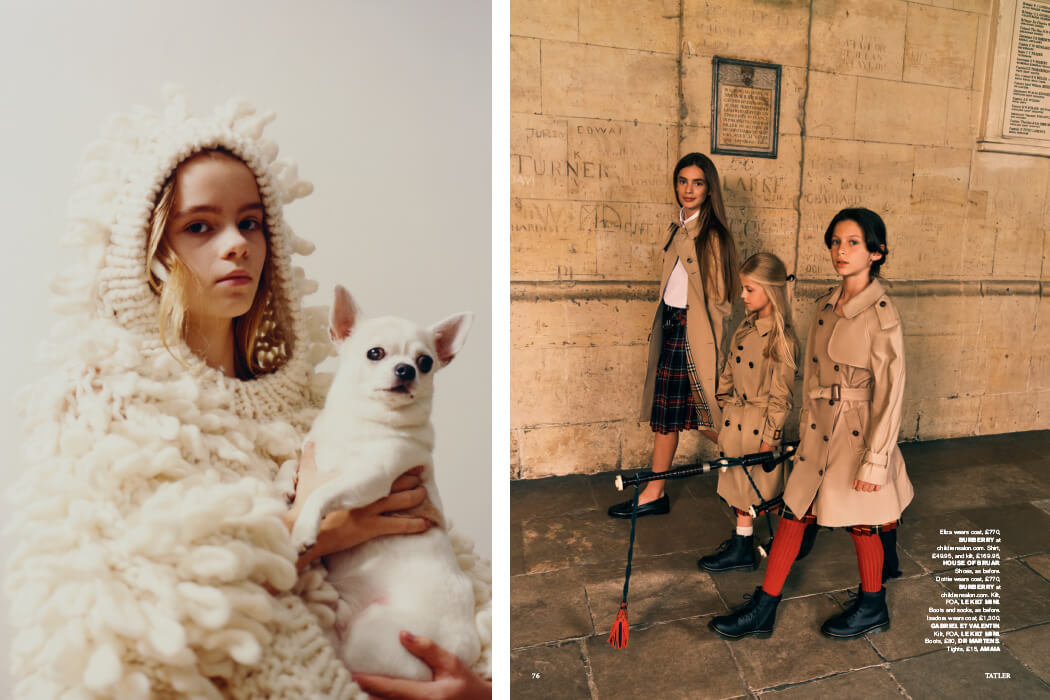
Leather is made in France (goat and shearling). Cashmere and silk-cashmere blends are made in Italy. Knitwear is produced in Italy and France. Boots are made in the USA. Each material and place of production is carefully chosen to ensure the highest level of quality and authenticity.
Sustainability and conscious production are increasingly important—how do these values play a role at Gabriel et Valentin?
Durability, quality, and timelessness are at the heart of sustainability. Creating pieces that last is, in itself, a responsible approach.
The Industry & Human Connection
What is your perspective on in-person experiences such as trade shows, pop-up stores, and physical retail spaces today?
Physical experiences remain essential today. In a world saturated with images and digital content, direct contact creates a real, almost tangible emotion. Touching materials, seeing volumes, meeting the people behind a brand — all of this gives meaning to the garment. Pop-ups or trade shows become spaces for storytelling, where a vision can be shared in a more intimate way. I believe human connection is more important than ever. Digital makes access easier, but it does not replace relationships. Fashion is about sensitivity, perspective, and exchange. It is often through real encounters that a true connection to a brand is born.
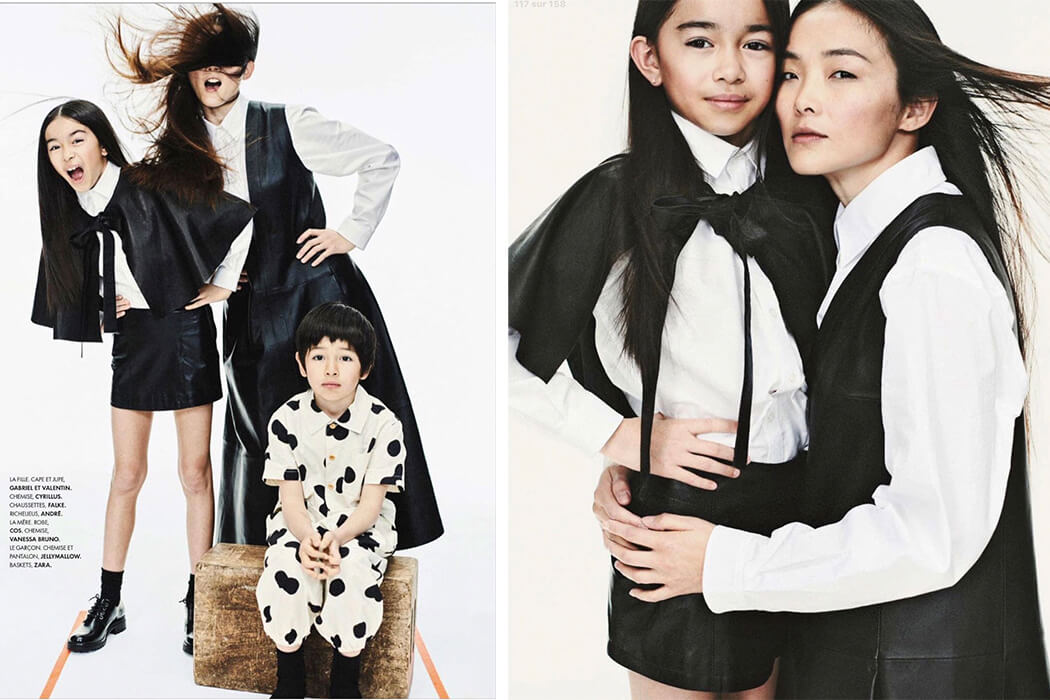
Children, Style & Development
Many parents say, “Kids grow too fast, so we don’t invest in luxury clothing.” How do you respond to this perspective?
It’s true that children grow quickly, but that doesn’t mean quality has no value. On the contrary, investing in well-made, durable, and timeless pieces can be a way to introduce a child to a certain appreciation of beauty and respect for objects. It’s not about luxury, but about meaning and transmission.
Do you believe that a child’s surroundings—including clothing, accessories, and their aesthetic environment—play a role in their development or education?
A child’s aesthetic environment plays a fundamental role in their development. Shapes, colors, and materials all contribute to shaping their sensitivity and how they perceive the world. A thoughtful and coherent environment can stimulate curiosity, imagination, and even self-confidence.
In your experience, do children really care about what they wear? How can fashion influence their confidence and self-expression?
Children are often more perceptive than we think. They respond to textures, colors, and comfort. Clothing can become a means of expression, a tool to assert a developing personality. When a child feels good in what they wear, it can strengthen their confidence.
What is the best advice you could give to parents who want to develop their children’s creative thinking and sense of beauty?
I would advise parents to focus on simplicity, quality, and coherence. It’s also important to give children space to choose, experiment, and even make mistakes. It is within that freedom that true creativity develops.
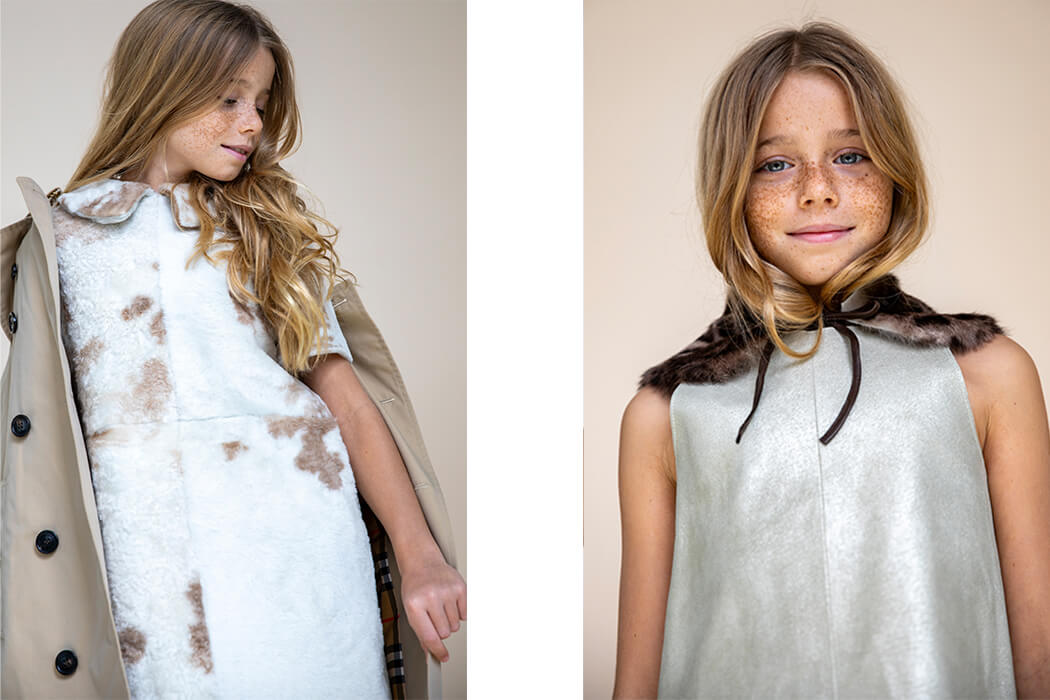
Advice & Vision
What advice would you give to aspiring designers hoping to build a meaningful and authentic brand today? Do you think good taste is a talent, a skill, or both?
To young designers, I would say: stay true to your vision. In a fast-moving environment, it’s tempting to follow trends, but the real strength of a brand lies in its consistency and authenticity.
Take the time to build, to understand materials and craftsmanship, and above all, to give meaning to what you create.
I would also say: never listen to those who try to discourage you. There will always be outside doubts, but what matters most is trusting your instinct. Following your heart and what you truly feel is often the key — it’s what allows you to create something sincere and unique.
Taste, in my opinion, is a combination of both. There may be a natural sensitivity, but it develops over time through observation, culture, and experience. It is a constant process of refining one’s eye.
Looking ahead, what is your ultimate vision for Gabriel et Valentin in the years to come?
In the long term, the goal is to build a lasting brand in every sense: in its products, its values, and the relationship it creates with its clients. The idea is to create a coherent, timeless universe that endures beyond seasons without losing its identity.
What do you like most about Junior Style?
I admire its forward-thinking, dynamic, and elegant vision. The Junior Style Awards are a real first for a magazine celebrating emerging talent. The idea of featuring a Junior Style ambassador model is very well thought out. I also appreciate its choice of collaborations with beautiful brands, and above all the rigor, professionalism, and sensitivity of its founder, Aleksandra Ataca.
All photographs are sourced from the Gabriel et Valentin personal archives and remain the exclusive property and copyright of their respective owners.
View the original article here


