


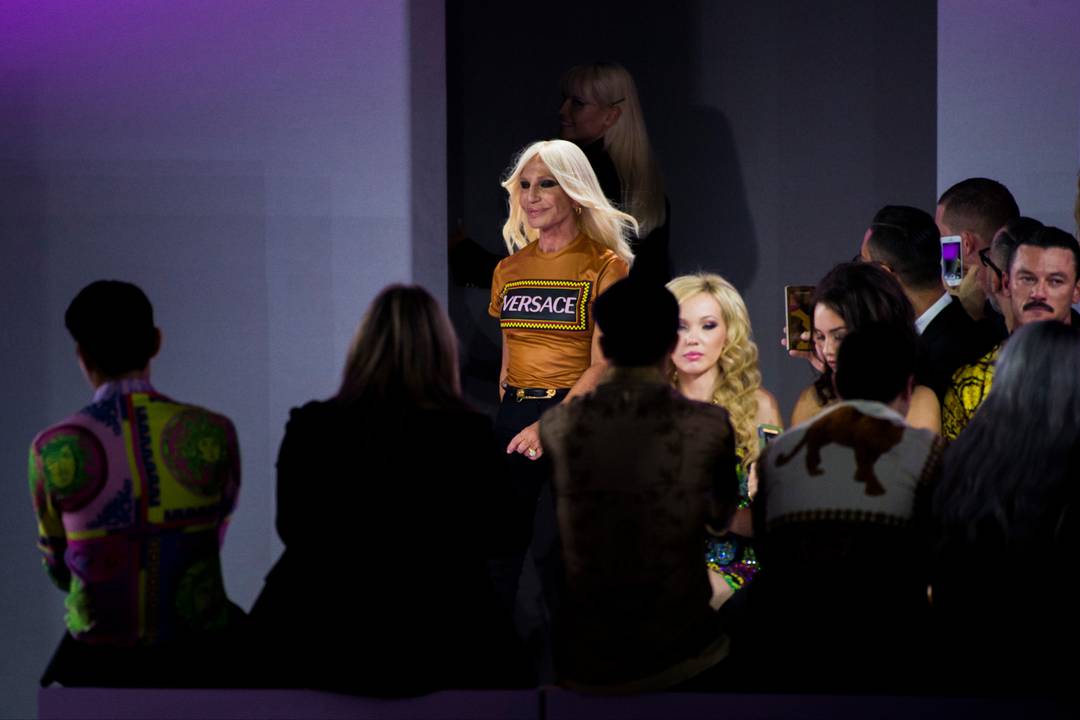

As 2025 draws to a close, the luxury sector has seen a notable uptick in merger and acquisition activity, driven by slower growth in key markets, selective opportunities for undervalued brands, and strategic efforts to expand global portfolios. Leading the pack is Prada’s acquisition of Versace, a headline-grabbing move that highlights both the logic and challenges of consolidation in high-end fashion.
Prada and Versace: A high-profile example
Prada signed a definitive agreement in April to acquire Versace from US-based Capri Holdings for approximately 1.25 billion euros (1.37 bn dollars. The deal, expected to close December 2nd according to Reuters, represents a rare return of Versace to domestic ownership and a significant expansion for Prada’s portfolio, which already includes the flagship Prada brand and smaller Miu Miu.
Andrea Guerra, Prada’s CEO, has emphasized that the group will be fully focused on integrating Versace over the next three years. Guerra described Versace as “the brand that invented fashion as we know it today, the one that created glamour, introduced supermodels, brought fashion closer to popular culture… and brought music into fashion.”
For Prada, the acquisition is less about overlapping markets and more about complementarity: Versace’s maximalist, high-visibility glamour contrasts with Prada’s restrained minimalism, creating opportunities to capture diverse audiences without cannibalizing existing sales.
Lorenzo Bertelli, Prada’s marketing director, was quoted in coverage by Investing.com noting that the two brands have “no overlap in terms of creativity, customer base or brand identity,” highlighting the strategic value of diversification within the luxury portfolio.
2025: A busy year for luxury acquisitions
2025 has already proven to be an active year for luxury M&A, though the focus has varied across the sector. While Prada made headlines with its high-profile Versace acquisition, other groups like Kering concentrated on strategic divestments and operational streamlining. Notable moves by Kering included the sale of its beauty division to L’Oréal for around 4 billion euros and the divestment of select real-estate and outlet assets, while the group reinforced its core fashion houses and strengthened vertical integration in areas such as eyewear. Analysts note that slower growth in key markets, combined with market volatility, has created selective opportunities for brands with strong balance sheets to optimize portfolios and prepare for future expansion.
The luxury M&A landscape is also shaped by digital and sustainability pressures. Brands with strong online platforms, scalable production, or demonstrable ESG credentials have become more appealing as targets, while others lag behind and risk being left out of portfolio consolidation.

Prada’s historical approach and long-term strategy
Prada has a history of acquisitions and divestments, including past ownership of Jil Sander, Helmut Lang, and Alaïa, which were eventually sold. The latter was bought back by its founder in 2007. The group’s strategy with Versace appears more measured, focusing on careful integration and long-term growth rather than quick flips. By combining operational strength, global retail reach, and Versace’s cultural cachet, Prada aims to capture new audiences and strengthen its position against competitors like LVMH, Kering, and Richemont.
Looking ahead: what 2026 might bring
Analysts expect 2026 to continue the trend of selective consolidation in luxury. Mid-sized houses that struggle to maintain growth post-pandemic may become takeover targets, while established groups with strong balance sheets are likely to pursue brands that expand their geographic reach or creative diversity. M&A in 2026 may also prioritise operational synergies, digital innovation, and ESG compliance, factors that increasingly influence brand valuation.
View the original article here


